Posts

Showing posts with the label Powder coating curing oven

Why Are Powder Coating Booth Developed?
Image
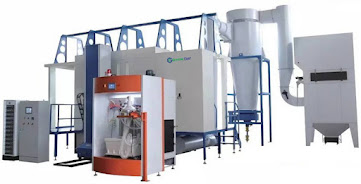
A powder coating spray booth is an enclosure developed to contain the powder application procedure. A recovery system is connected to the powder booth shell. The recovery system utilizes a fan to pull air into the booth and prevent the powder that is over-sprayed from migrating out of the enclosure. The easiest powder coating booth is developed for a single operator to manually apply powder to a stationary product. Other powder booths are designed to transmit parts through the enclosure. Conveyorized systems may be developed for an automatic application, manual application from two sides, or a combination of both, depending on the system's needs. The particular size, style, and number of powder booths required are related to the available space, product size, the amount of capital, and the volume of products to be covered. Powder coating spray booth shells are made of painted steel, but more powder-coating booths frequently are made of polypropylene, stainless steel, polycarbon...
What Are The Benefits Of Powder Coating Oven?

Image
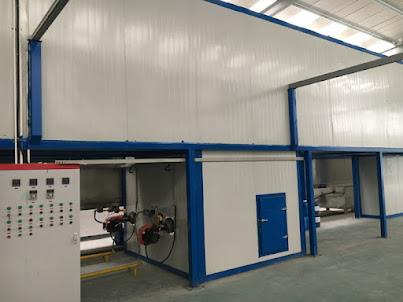
Powder coating applies a protective barrier to an object to guard it against atmospheric impacts. In some instances, industrial powder coating oven are utilized for decorative purposes. This powder coating technique in the oven is suited to several types of metals. It will give the metal a more stunning finish, making it more resilient and durable. The use of a protective coating is significant given the situations in which metal objects are regularly exposed. Undone metal alloys are subject to a broad range of chemistry-dependent corrosive phenomena that can restrict their service and performance longevity. For example, iron particles disclosed to oxidation and moisture will slowly succumb to rust unless alloyed with adequate levels of anti-corrosive elements such as chromium or safeguarded with a functional coating. Galvanized and stainless steels depict the two primary metal types developed for anti-corrosive properties, but each of these can submit to more complicated corrosive ph...